

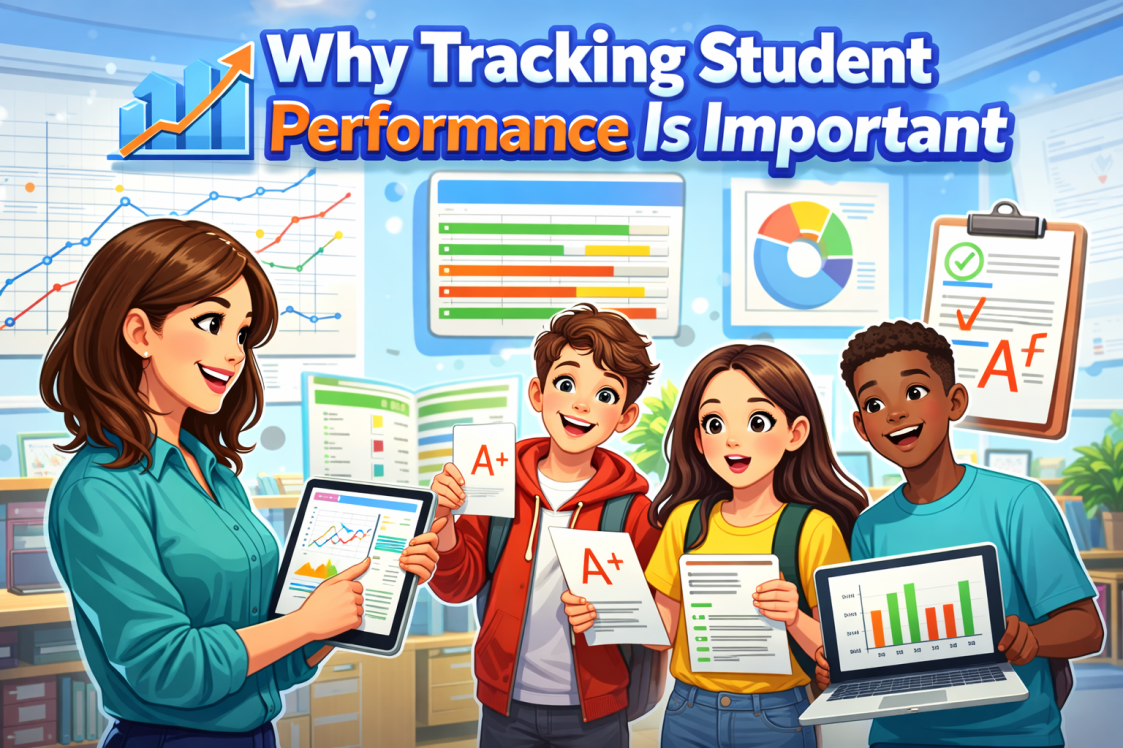
Tracking student performance is a fundamental aspect of modern education. It goes beyond simply giving grades, it’s about understanding a student’s learning journey, identifying strengths and weaknesses, and ensuring every learner has the opportunity to succeed. Schools, teachers, and parents benefit greatly when performance is monitored systematically. Here’s a closer look at why tracking student performance is so important.
1. Identifying Strengths and Weaknesses
One of the most significant benefits of tracking performance is that it highlights both the areas where students excel and the subjects or skills they struggle with. Teachers can use this data to provide targeted support, and students can focus on improving in areas where they face challenges. For example, a student may excel in math but struggle in reading comprehension. Early identification allows interventions before gaps widen.
Stafford Student Vue provides a simple way for parents and students to monitor academic progress, making it easier to stay informed about grades, attendance, and overall performance. Tracking student performance is crucial because it helps identify areas where a student excels and areas that need improvement.
2. Enabling Personalized Learning
Every student learns differently. Performance tracking allows teachers to tailor lessons and assignments to each student’s needs. Personalized learning increases engagement and ensures that students are neither bored nor overwhelmed. Tools like digital grade books and learning management systems make it easier to track individual progress and adapt teaching methods accordingly.
3. Improving Academic Outcomes
By consistently monitoring student performance, schools can implement strategies that directly improve learning outcomes. Regular assessments, quizzes, and progress tracking help students stay on track. Teachers can adjust instruction in real time, provide extra support for struggling learners, and challenge high-performing students with enrichment activities. This continuous feedback loop fosters better academic results.
4. Supporting Early Intervention
Tracking performance is critical for early intervention. Students who fall behind in certain subjects or skills can receive immediate support before issues become more serious. Early interventions might include tutoring, mentoring, or customized learning plans. This proactive approach prevents minor difficulties from turning into long-term learning gaps.
5. Enhancing Student Motivation and Accountability
When students know their progress is being monitored, they are more likely to take ownership of their learning. Performance tracking encourages self-reflection, goal setting, and accountability. Students can see how their efforts translate into results, motivating them to improve and stay engaged with their studies.
6. Facilitating Communication Between Teachers and Parents
Performance tracking provides a clear picture of a student’s progress, making communication between teachers and parents more effective. Parents can monitor grades, attendance, and behavior through portals or progress reports. This transparency ensures that parents can support their children at home, reinforcing what is taught in school.
7. Informing Teaching Strategies and School Policies
Data from performance tracking don’t just benefit students—they help teachers and school administrators refine their strategies. By analyzing trends, educators can identify areas of the curriculum that may need adjustment, adopt new teaching methods, or introduce programs that address common learning gaps. This creates a culture of continuous improvement in schools.
8. Supporting Holistic Development
While academic performance is essential, tracking can also include social, behavioral, and extracurricular growth. Monitoring these areas ensures that schools nurture well-rounded individuals, not just high-performing students. For instance, tracking teamwork, leadership, and creativity helps recognize achievements beyond grades.
Conclusion
Tracking student performance is far more than a routine administrative task—it is a powerful tool that drives educational success. It helps identify learning gaps, supports personalized instruction, promotes accountability, encourages parental involvement, and guides schools toward better teaching strategies. Tools like studentvues.com make tracking accessible and transparent, helping every student stay on the path to success. Ultimately, systematic performance tracking ensures that every student has the guidance and support needed to reach their full potential.
