

How to Write top seller Fiction & Non-Fiction comic books
Great comics aren’t just born from talent; they’re built on understanding the rhythm of the medium and recognizing the stories readers can’t get enough of right now. The industry isn’t just surviving, it’s thriving, with graphic novels jumping 9.2% in units sold last year alone. But here’s the truth most beginners miss: top sellers don’t happen by accident. They come from smart storytelling that respects both the visuals and the market.
Whether you’re chasing high-octane fiction adventures or powerful non-fiction memoirs, the playbook has evolved. We’ve worked with dozens of comic book writers who went from rough drafts to paid gigs and bestseller lists. This guide cuts the fluff and gives you exactly what works right now.
The 2026 Comic Market: Opportunity Is Knocking
Superheroes still dominate the single-issue charts – DC’s Absolute Universe line showed that clearly in January, but the real growth story lies in graphic novels. Readers want stories they can step into fast. Strong visuals help, but the themes have to mean something too. When those two things click, the story sticks.
The biggest shift? Audiences reward originality over formula. A fresh twist on a classic trope or an honest graphic memoir about mental health can outsell yet another generic cape story. If your goal is sales, study what’s moving units: high-stakes action for fiction, raw authenticity for non-fiction.
Fiction vs Non-Fiction Comics: Choose Your Battlefield
Don’t blur the lines; each demands different muscles.
At the heart of fiction comics is imagination. Origin stories unfold, villains rise, and each issue leaves readers wanting the next one. The writer builds the world piece by piece, often drawing on classic character roles like the reluctant hero or the seasoned mentor. The real goal is simple: keep the story delivering moments that matter.
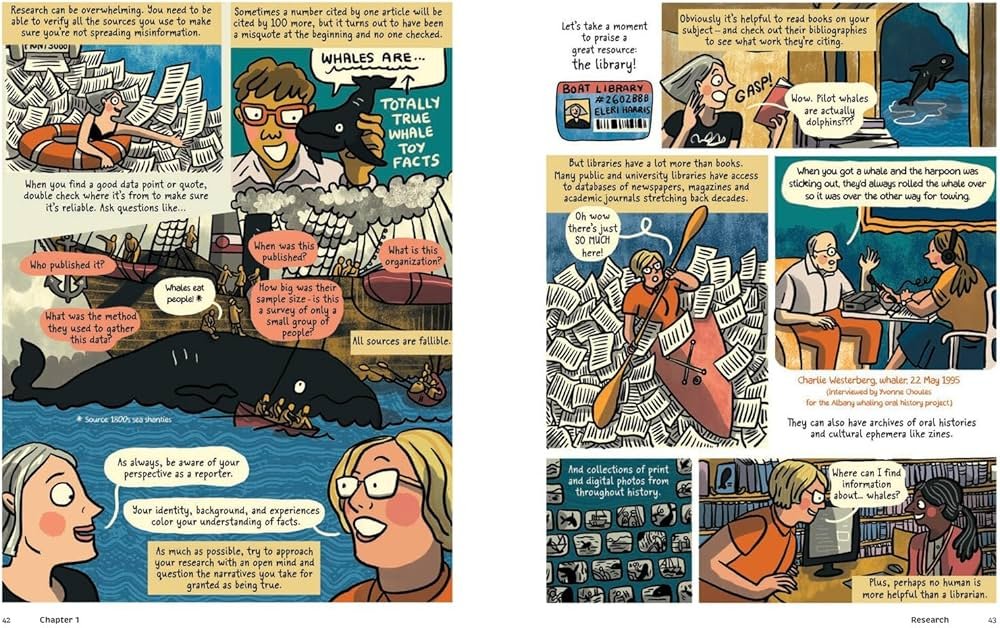
Non-fiction comics demand research and respect. You’re adapting real events, people, or ideas. Success comes from visual metaphors that explain without lecturing. Maus didn’t just tell a Holocaust story; it showed it in a way prose never could. The catch? Get one fact wrong, and trust evaporates. Ethical interviews and sensitivity readers aren’t optional.
Pick wrong, and your story fights uphill. Pick right, and the format amplifies everything.
Step 1: Lock In a Killer Idea That Sells
Start with one sentence that makes someone lean in. For fiction: “What if the last superhero on Earth was the villain?” For non-fiction: “How one woman’s quiet rebellion changed her family forever.”
Research the market brutally. Scan recent ICv2 rankings. Ask: Does this fit a gap? Fiction readers crave spectacle; non-fiction readers crave truth that feels personal. Test it on friends or Reddit; silence means back to the drawing board.
Step 2: Characters That Readers Obsess Over
Fiction heroes need flaws that drive plot and growth. Non-fiction subjects need humanity to show their contradictions without judgment. In both cases, give them clear visual signatures: a scar, a signature gesture, a color palette that screams personality.
Biggest mistake I see? Loading characters with backstory dumps. Reveal through action and art. One strong visual beats three paragraphs of exposition every time.
Step 3: Visual Storytelling That Actually Works
This is where most comic book writers lose the plot—literally. Comics aren’t illustrated novels. Every panel must advance the story, emotion, or tension.
Scott McCloud nailed this decades ago in Understanding Comics: mastery comes from “closure”—the magic that happens in the gutter between panels when readers fill in the blanks themselves. Use it. A splash page for shock. Tight grids for tension. Wide panels for breath.
My rule: if the page makes sense as a silent movie, you’re golden. Overwrite dialogue, and you kill the art’s power.
Step 4: Scripting Like the Pros
Forget novelist habits. Use standard comic script format:
- Page 1, Panel 1: Clear description of what the reader sees first (camera angle, action, mood).
- Dialogue and captions below—keep them punchy.
- One main action per panel. Batman can’t enter a room and light a cigarette in the same beat.
Fiction scripts often run Marvel-style (loose plot, artist adds flair). Non-fiction needs tighter direction so the artist captures real locations accurately. Thumbnail your pages early; nothing reveals pacing problems faster.
Step 5: Polish, Test, and Position for Sales
Beta readers who actually buy comics are gold. Revise ruthlessly: cut every panel that doesn’t earn its space. Then think marketing – hook, genre tags, and a killer logline that works on social media.
Fiction? Tease the spectacle. Non-fiction? Tease the truth behind the headlines.
When Solo Isn’t Enough: Bring in Professional Book Writing Services
Here’s the honest part most guides skip: even talented comic book writers hit walls. Complex plots, research overload, or tight deadlines can stall momentum. That’s exactly when professional book writing services become your secret weapon.
Specialized comic book writers bring a different level of experience to the table. They understand pacing across panels, current market expectations, and the collaborative nature of comic production. Their role is usually to shape an idea into a structured script that editors and publishers can realistically evaluate, without flattening the writer’s original voice.
Ready to Create Your Bestseller?
The tools, the market, and the audience are waiting. Whether you script your fiction epic or your non-fiction truth bomb, start today with one page. The difference between dreamers and published comic book writers? They ship.
Your story deserves to be read. Make it impossible to put down.
