

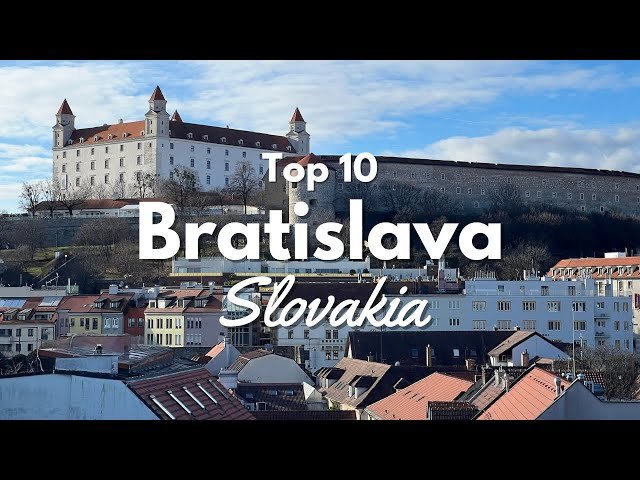
Bratislava is the ultimate destination for first-time visitors because it offers a perfectly walkable medieval Old Town, significantly lower prices than neighboring Vienna, and a unique blend of 18th-century royalty and quirky socialist-era landmarks.
I’ll never forget my first afternoon in Bratislava. I had just arrived from the chaotic, crowded streets of Prague, expecting more of the same. Instead, I found myself sitting in a quiet, sun-drenched square with a €3 coffee, watching locals go about their day without a single tourist tour group in sight. It felt like I had accidentally discovered Europe’s best-kept secret, a city that didn’t feel like a museum, but like a home.
Bratislava is the “Little Big City” where you can walk from a medieval castle to a socialist UFO in under 15 minutes. In this complete guide, we will dive deep into the five must-do experiences that make this city a hidden gem.
1. Get Lost in the Old Town (Staré Mesto)
The Old Town is the heartbeat of the city. Unlike other European capitals where cars dominate, Bratislava’s center is almost entirely pedestrian-only. This creates a relaxed vibe where you can wander without checking a map every five minutes.
The Fairy-Tale Entrance
Walking through Michael’s Gate feels like stepping back into the 14th century. It is the last remaining gate from the city’s old walls. As you walk under its copper tower, you enter a maze of narrow streets lined with pastel-colored buildings. It’s the perfect place to start your Bratislava itinerary.
Hunting for the Famous Statues
One of the most popular things to do in Bratislava is hunting for the bronze statues hidden around corners.
- Čumil (The Man at Work): He is a man peeking out of a manhole. Legend says if you touch his head, your wish will come true!
- Schöne Náci: A statue of a real person from the city’s history who was known for being polite and tipping his top hat to ladies.
- The Napoleonic Soldier: Leaning on a bench in the Main Square, waiting for a photo with you.
The Main Square (Hlavné námestie)
This square is the living room of the city. Here you will find the Old Town Hall and the Roland Fountain. In the winter, it hosts a magical Christmas market. In the summer, it’s full of outdoor cafes where you can enjoy local snacks like Bratislava rolls (pastries filled with poppy seeds or nuts).
2. Hike the Path to Bratislava Castle
Standing tall on a hill right above the Danube River, the Castle (Hrad) is the city’s most famous landmark. It looks like a big white table turned upside down with four legs pointing up.
The View from the Top
The climb up the hill is a bit of a workout, but it’s one of the best Bratislava sightseeing tips we can give. From the castle terrace, you can see across the borders into Austria and, on a clear day, all the way to Hungary. It gives you a great sense of how close everything is in Central Europe.
The Royal Gardens
Behind the castle lies a stunning, perfectly manicured Baroque garden. It was rebuilt a few years ago based on old plans from the time of Empress Maria Theresa. It’s a quiet place to escape the city noise and take some amazing photos.
Inside the Museum
While the gardens are free, the Museum of History inside the castle costs about €14 in 2026. It holds artifacts from the Stone Age up to modern times. Even if you don’t go inside, walking the castle grounds at sunset is a magical experience that should be on every Bratislava itinerary.
3. Cruise the Danube and Visit Devín Castle
The Danube River is the lifeblood of the city. To see Bratislava from a different angle, you need to get on the water. A Danube river cruise is a fantastic way to see the transition from the modern city buildings to the rugged, natural cliffs of the Slovak countryside.
The Ruins of Devín
Just a short boat ride or 20-minute bus journey from the center, you will find Devín Castle. These ruins sit on a massive rock where two rivers, the Danube and the Morava, meet. It is one of the oldest and most important historical sites in Slovakia, dating back to the Roman era.
A Taste of Local Tradition
The area around Devín is famous for its local currant wine (rípizlové víno). Unlike regular grape wine, this is made from red and black currants. It is sweet, fruity, and very refreshing. You’ll find small stalls near the castle entrance selling it by the glass.
The Iron Curtain History
Because Devín sits on the border with Austria, it was part of the “Iron Curtain” during the Cold War. Look for the Gate of Freedom memorial near the river. It honors the people who died trying to cross the river to escape to the West. It’s a powerful reminder of how much the city has changed in just a few decades.
At-a-Glance: Bratislava Highlights (2026)
Attraction
Location
Entry Cost (Adult)
Best Time to Visit
Bratislava Castle
Castle Hill
Free (Gardens) / €14 (Museum)
Sunset
Old Town Hall
Main Square
~€7 for the Tower
Morning
Blue Church
Bezručova St.
Free
Mid-day (Sunlight)
UFO Observation Deck
SNP Bridge
~€12.50
Night / Sunset
Danube Cruise
River Port
~€15–€25
Afternoon
4. Admire the “Blue Church” (St. Elizabeth’s)
If you want to see one of the most unique Bratislava city attractions, head to the Blue Church. It looks like it was made of blueberries and marshmallows. It is an Art Nouveau masterpiece that stands out because of its bright, baby-blue color.
Whimsical Design
Everything about this church is blue, the walls, the roof tiles, and even the pews inside. It was built in the early 1900s by an architect who wanted to create something that felt organic and natural. It looks more like a cake than a building!
Getting the Perfect Shot
The church is located about 10 minutes away from the busy Old Town in a quiet residential area. Because it is so colorful, it is a favorite spot for photographers. Practical Tip: It is a working church, so if you want to see the inside, try to go during the early morning or late afternoon when they have services.
A Local Gem
Most tour groups stay in the Main Square, so the Blue Church usually feels much quieter. It’s a great place to see a different, more artistic side of Slovak history.
5. Experience the Future at the UFO Tower
To see the modern side of the city, you have to cross the SNP Bridge to the UFO Observation Deck. This is a massive flying-saucer-shaped structure perched on top of a bridge.
A Socialist Masterpiece
The bridge was built in the 1970s and is a famous example of socialist architecture. It stands in total contrast to the medieval castle across the river. Some people think it’s ugly, and some think it’s cool, but everyone agrees it’s unique!
The Best View in Town
An elevator inside the bridge pylon takes you up 95 meters in less than a minute. At the top, there is an observation deck with a 360-degree view. You can see the Old Town, the Castle, and the massive “Panelák” apartment blocks where thousands of people live.
Dining with a View
There is a high-end restaurant at the top called UFO.watch.taste.groove. In 2026, the entry to the deck is about €12.50, but if you have a main course at the restaurant, the entry fee is usually waived. It’s the ultimate spot to finish your Bratislava sightseeing tips list.
Essential Bratislava Sightseeing Tips
- Walk Everywhere: The city is very compact. You don’t really need a bus or taxi if you stay in the center.
- Try the Food: Don’t leave without eating Bryndzové halušky. These are small potato dumplings with sheep cheese and bacon. They are delicious and very filling!
- The Bratislava Card: If you plan on visiting many museums and using the bus, buy this card. It saves you a lot of money and includes a free walking tour.
- Language: Almost everyone under the age of 45 speaks great English, so don’t worry about the language barrier.
FAQs
Why was Bratislava the capital of Hungary for so long?
It became the capital in 1536 because the Ottoman Empire had captured Budapest, making Bratislava a safer place for the royal court.
What makes the Blue Church architecture special?
It belongs to the “Hungarian Secession” style, which used local folk patterns and colorful ceramics to move away from traditional styles.
Is Bratislava the only capital bordering two countries?
Yes! It is unique because its city limits touch the borders of both Austria and Hungary.
What is the “UFO” bridge actually called?
Its official name is Most SNP (Bridge of the Slovak National Uprising), named after the resistance against Nazi Germany.
What is the best way to get to Bratislava?
Most people come by train or bus from Vienna (1 hour) or by boat along the Danube for a more scenic arrival.
Conclusion
Bratislava is a city of layers. Whether you are exploring the medieval secrets of the Old Town, cruising the Danube, or looking out from a Cold War UFO, you are guaranteed an experience that is both affordable and authentic. It’s a place that invites you to slow down and enjoy the simple things: a cold beer, a beautiful sunset, and centuries of history.
Looking for more travel inspiration and practical lifestyle hacks? Follow Magazine Dreams for expert guides that turn your travel goals into reality.
