

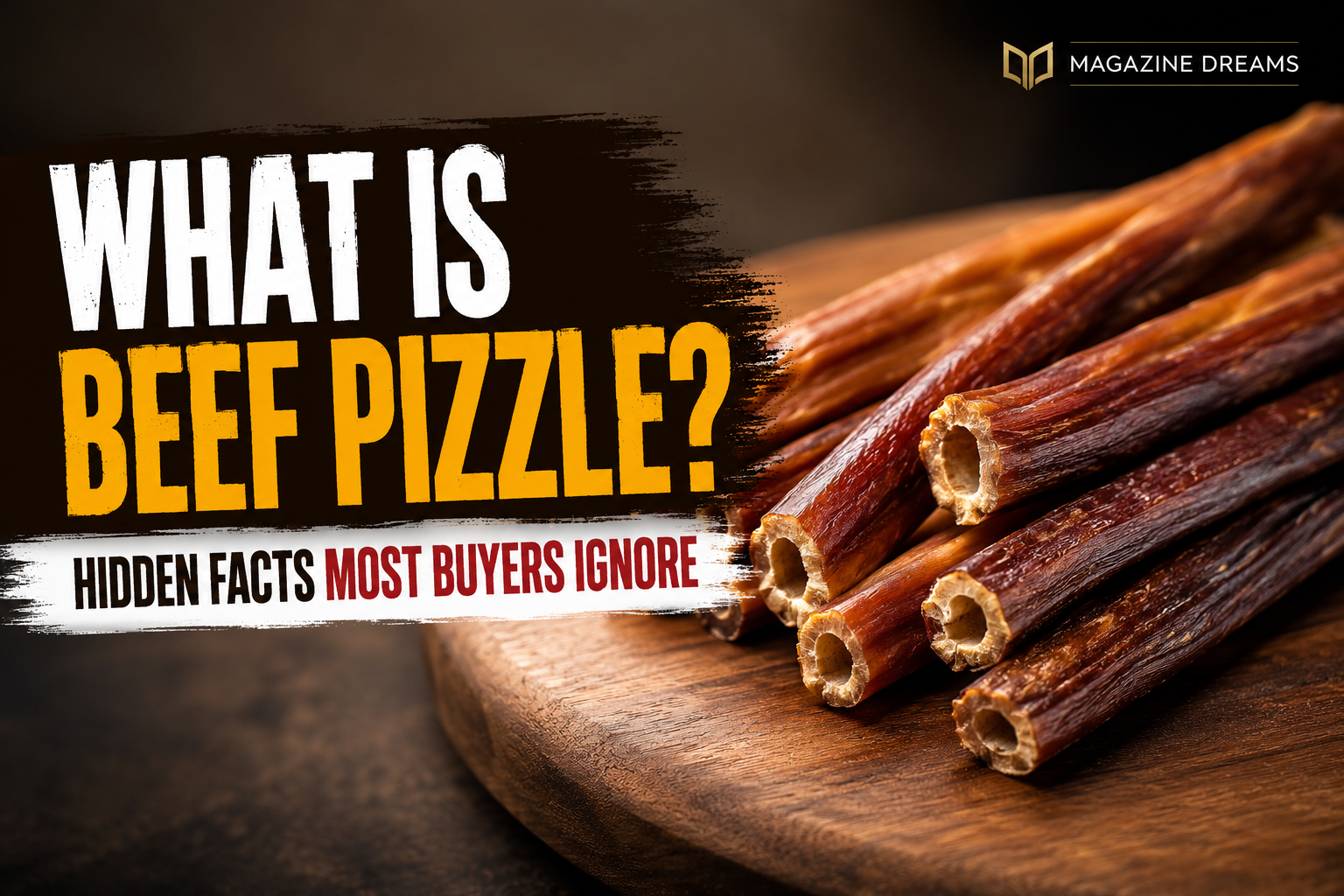
When first starting research on natural dog chews, one product kept appearing again and again: beef pizzle. Many dog owners see it online or in pet stores but often feel confused about what it actually is. Questions about safety, quality, and value are common. Understanding beef pizzle can help buyers make smarter decisions and avoid low-quality pet treats that fail to deliver promised benefits.
What Exactly Is Beef Pizzle?
Beef pizzle is a natural chew made from the muscle of a bull. It is cleaned, stretched, and dried carefully to create a long-lasting chew for dogs. In the pet industry, many buyers also know it as a bully stick. Because it usually contains just one ingredient, many pet owners prefer it over heavily processed treats with artificial additives.
Where Does Beef Pizzle Come From?
Beef pizzle comes directly from cattle during meat processing. Instead of being wasted, manufacturers clean and prepare it for pet consumption. This process creates a protein-rich natural chew with very few fillers. The handling and processing of raw material greatly affects the final product quality, making sourcing and manufacturing extremely important.
Why Is It Called Pizzle?
The word pizzle comes from an old English term used to describe this part of the animal. Over time, the pet industry began using the friendlier term bully stick for retail purposes. Even though branding differs between manufacturers, both names usually refer to the same product sold in pet markets.
Why Are People Buying Beef Pizzle?
Modern dog owners are becoming more focused on natural nutrition and healthier chewing options. Beef pizzle fits this demand because it offers both entertainment and nutritional support. Compared with synthetic dog chews, it feels more natural and aligns better with pet owners looking for long-term health benefits.
Common Uses Buyers Should Know
Pet owners commonly purchase beef pizzle for several practical reasons:
- Long-lasting chewing support
- Mental stimulation for active dogs
- Natural replacement for plastic chews
These benefits make it a popular choice for buyers who want treats that do more than simply taste good.
Why It’s Popular in the Pet Market
The pet industry continues to grow as more owners treat pets like family members. Natural products like beef pizzle fit modern buying behavior perfectly. Many dog owners actively search for single-ingredient treats that support both chewing habits and daily nutrition without unnecessary artificial ingredients.
What Makes It Different From Other Chews?
Beef pizzle is often easier to digest than rawhide. It also naturally contains protein rather than artificial fillers. Its smell and texture make it highly attractive for many dogs. Because of this, dogs often stay engaged longer compared with many standard chew options.
Is Beef Pizzle Safe?
Safety remains one of the biggest concerns for buyers. Like any chew product, beef pizzle should match the dog’s size, chewing behavior, and health condition. Choosing the right size and supervising chewing sessions helps reduce possible safety concerns.
Is It Safe for Dogs of All Sizes?
In most cases, beef pizzle is safe for small, medium, and large dogs when selected properly. Thickness and length matter greatly. Smaller dogs often benefit from thinner sticks, while aggressive chewers usually need thicker products that last longer.
Possible Risks Buyers Should Understand
Even natural chews can create risks if used incorrectly.
- Choking from leftover small pieces
- Stomach discomfort from overeating
- Bacteria growth from poor storage
Supervised chewing is always recommended.
Signs of Good Quality vs Poor Quality
High-quality beef pizzle usually has a natural color, firm texture, and consistent shape. Poor-quality products may look greasy, smell overly strong, or appear over-processed. Many buyers underestimate how important trusted sourcing is when purchasing natural pet chews.
Hidden Facts Most Buyers Ignore
Not All Beef Pizzle Is Processed the Same
Manufacturing methods vary significantly between brands. Some companies use slow drying methods to preserve nutrients, while others use faster high-heat processing. These differences can impact taste, texture, and nutritional value.
Sourcing Can Affect Quality
Country of origin matters more than many buyers realize. Products sourced from cleaner farming environments often deliver better consistency, safety, and overall quality. Ethical sourcing can also improve product cleanliness standards.
Size, Thickness, and Texture Matter
Dogs have very different chewing habits. A strong chewer may finish a thin chew quickly, while smaller breeds may struggle with oversized products. Choosing the correct chew based on behavior is critical for safety and enjoyment.
Nutritional Benefits of Beef Pizzle
Protein and Natural Nutrients
Beef pizzle naturally contains protein, amino acids, and nutrients that may support muscle maintenance and energy levels. Since it is often made from a single ingredient, many health-focused pet owners prefer it over heavily processed alternatives.
Can It Support Dental Health?
Chewing creates natural friction against teeth. This may help reduce plaque buildup over time. While it should not replace brushing, it can contribute to cleaner teeth and healthier gums.
Does It Last Longer Than Other Chews?
Compared with many snack-style dog treats, beef pizzle often lasts longer. Duration usually depends on:
- Dog size
- Chewing strength
- Product thickness
Longer-lasting chews can help reduce boredom and support healthy chewing behavior.
How to Choose the Best Beef Pizzle
Always examine ingredient labels, source information, and chew thickness. Avoid products with unnecessary preservatives, chemicals, or unclear manufacturing information.
The best products often contain 100 percent beef without fillers. Clear labeling usually indicates stronger quality control and better transparency from the manufacturer.
Odor-free products usually undergo extra processing. Natural options may smell stronger but often go through less treatment. Buyer preference and home environment usually influence this decision.
Common Mistakes Buyers Make
Choosing Based Only on Price
Cheaper products may sometimes use lower-quality sourcing. Price matters, but safety, consistency, and ingredient quality should also influence buying decisions.
Ignoring Dog Size and Chewing Style
Many owners buy the wrong chew size. Aggressive chewers need stronger and thicker products than lighter chewers.
Buying Without Checking Source Quality
Unknown brands may lack quality testing. Reliable manufacturers usually provide clearer safety information and better product consistency.
Storage and Usage Tips
How to Store It Properly
Store beef pizzle in a cool, dry area away from moisture. Airtight containers help preserve freshness and reduce odor.
How Often Should Dogs Have It?
Usage depends on your dog’s size, diet, and activity level. Most owners treat beef pizzle as an occasional reward rather than a meal replacement.
When Should You Replace It?
When the chew becomes too small, it should be removed immediately. Small leftover pieces may create choking risks.
Final Thoughts
Beef pizzle can be an excellent natural chew when buyers choose trusted brands and match the chew to their dog’s size and behavior. Smart buyers focus on ingredient quality, safe sourcing, and proper supervision instead of price alone. For many dogs, beef pizzle can become a healthy and enjoyable chewing option.
