

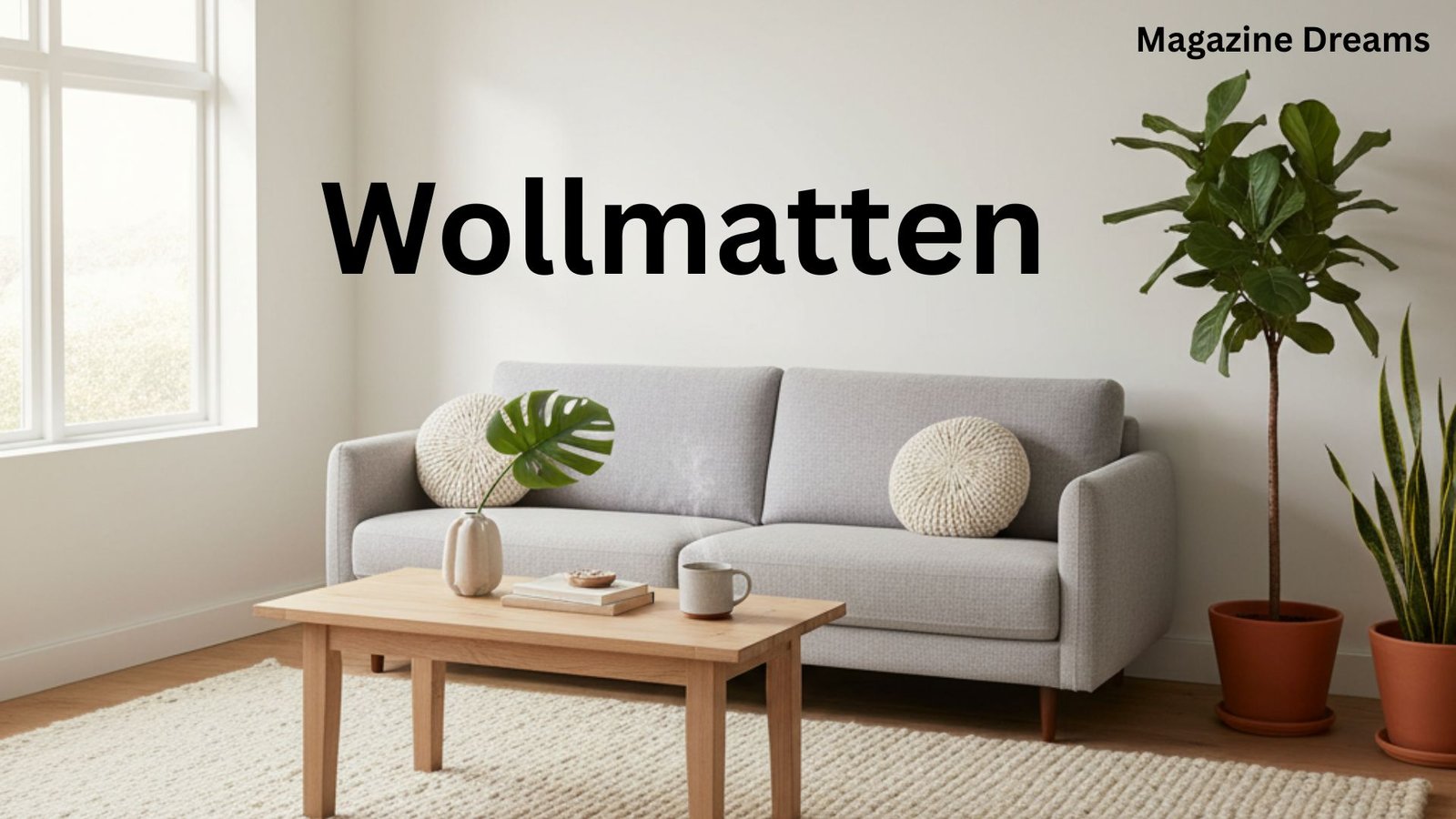
You know that feeling when you walk barefoot on something soft, natural, and warm — and it just feels right? That’s kind of the charm behind wollmatten.
The name sounds fancy, almost mysterious, but it simply means wool mats. The idea is old — way older than you might think — but lately, these humble woolen mats have been sneaking their way into stylish homes, creative studios, yoga rooms, and even eco-conscious offices.
People are tired of cold floors and lifeless synthetic rugs. They’re looking for something natural, something that breathes and feels alive. And that’s exactly where wollmatten come in.
Let’s explore why these simple mats made from pure wool are suddenly becoming everyone’s favorite home addition — and why you might fall in love with them too.
What Exactly Are Wollmatten?
At their simplest, wollmatten are mats made from compressed or woven wool fibers. But that description doesn’t do them justice. They’re not just another floor covering.
They’re:
- Soft underfoot but firm enough to keep their shape.
- Naturally insulating — warm in winter, breathable in summer.
- Made from renewable materials that age gracefully.
Each one carries a bit of the rustic charm of old-world craftsmanship mixed with modern minimalism. Some are handmade, others machine-pressed. Some look sleek and simple, others are plush and cozy.
And honestly… there’s something comforting about knowing that what you’re standing on once came from nature — not a chemical factory.
Why Everyone Is Talking About Wool Again
Wool is one of the oldest materials humans have used, and for good reason. But in a world filled with cheap synthetics, we kind of forgot how good the real thing feels.
Now, with sustainability and wellness trending everywhere, people are circling back to materials like wool.
Here’s why:
- Eco-friendly: Wool is 100% renewable and biodegradable.
- Durable: It can last for decades if cared for properly.
- Healthy: Wool fibers naturally resist dust and bacteria.
- Comfortable: It adapts to your body and temperature.
So, when you think about it, wollmatten aren’t just trendy — they’re a comeback story. A quiet reminder that natural materials always find their way back into our homes.
The Benefits of Using Wollmatten
Let’s talk about why these mats are so well-loved — not just because they’re soft, but because they’re smart.
🌿 1. Temperature Balance
Wool is naturally insulating. In cold weather, it traps warm air. In warm weather, it allows air to flow. So your mat never feels “too hot” or “too cold.”
🧺 2. Moisture Control
Wool absorbs moisture without feeling wet. That means no sticky feeling when humidity rises and no musty smell after a long day.
🦶 3. Comfort That Lasts
Unlike synthetic rugs that flatten over time, wollmatten stay springy thanks to the curl and elasticity of wool fibers.
🔇 4. Noise Reduction
Perfect for apartments, offices, or echoey rooms — wool mats absorb sound. You’ll notice the difference instantly.
🌱 5. Safe and Natural
They’re free of harmful chemicals, making them perfect for homes with kids, pets, or anyone sensitive to allergens.
And yes, they’re also beautiful. Natural tones, subtle patterns, cozy texture — it’s like a warm hug for your floor.
Different Types of Wollmatten
Not all wool mats are the same. Here’s a quick look at common types and what makes each one special:
| Type | Description | Ideal Use | Notes |
|---|---|---|---|
| Flat-Woven Wool Mat | Smooth surface, tightly woven | Entryways, hallways | Easy to clean, minimal design |
| Felted Wool Mat | Thick, dense, cushiony | Living rooms, yoga, meditation | Excellent insulation |
| Shaggy or High-Pile Wool Mat | Soft and plush | Bedrooms, cozy corners | Harder to clean but very comfy |
| Decorative Wool Mat | Colored or patterned | Accent pieces | Adds character to minimal spaces |
| Industrial Wool Mat | Heavier, compact form | Workshops, pet areas, or outdoor spots | More durable, less decorative |
Each type has its own personality — from minimalist and clean to warm and bohemian.
Where Can You Use Wollmatten?
Honestly? Almost anywhere.
They’re that versatile. Here are a few ideas to get your imagination going:
- Bedroom: Beside your bed for that cozy “first step of the day” comfort.
- Living Room: As a centerpiece rug or layered under a coffee table.
- Yoga or Meditation Space: Natural cushion, grounding feel, and breathable texture.
- Office or Studio: Reduces noise, softens the vibe.
- Entryway or Hallway: Traps dirt and moisture while still looking elegant.
- Pet Area: Your furry friends will absolutely love the softness.
- Outdoor Terrace or Balcony: Thick felted types can even handle light outdoor use.
And some creative folks use smaller wollmatten as wall panels for acoustic control or even as eco-friendly insulation layers. Clever, right?
How to Choose the Right Wollmatte
Before you buy, take a little time to think about what you actually need. Not every wool mat suits every space.
Here’s what to keep in mind:
- Size & Shape:
Round, rectangular, or custom-cut — measure your space first. - Density:
The thicker the wool, the warmer and softer it’ll be — but also heavier. - Fiber Quality:
Pure new wool (often called “virgin wool”) is the best. Avoid heavily blended fibers. - Color:
Natural tones age beautifully. Dyed options look stunning but may fade faster in sunlight. - Backing:
Some have an anti-slip layer. If not, you might need a rug pad underneath. - Maintenance Needs:
Ask yourself honestly — how much cleaning effort are you willing to put in?
Caring for Your Wool Mat (and Making It Last for Years)
Wool mats don’t need daily fussing. But they do appreciate a little love now and then.
Here are a few simple care tips that’ll make your wollmatte last beautifully:
- Vacuum gently once a week.
Use a soft brush attachment — no beating or harsh scrubbing. - Handle spills fast.
Blot gently with a damp cloth. Never rub — that just pushes the stain in deeper. - Sunlight caution.
Don’t leave your mat in direct sunlight for too long; wool can fade. - Air it out.
Every few weeks, give it a little outdoor time (shade, not harsh sun). It’ll freshen up naturally. - Rotate regularly.
Especially in high-traffic areas — this keeps wear even. - Avoid heavy soaking.
If you must wash it, do it cold and gently. Or take it to a wool-friendly cleaner.
Little rituals like these keep your mat soft, clean, and happy. Think of it less as “maintenance” and more as bonding with something that brings warmth to your space.
Pros and Cons at a Glance
Here’s a quick snapshot of what makes wollmatten wonderful — and where you’ll want to be careful.
Pros:
- 100% natural and eco-friendly
- Long lifespan with proper care
- Soft, warm, and inviting feel
- Absorbs sound and improves comfort
- Aesthetic and timeless
Cons:
- Pricier than synthetic rugs
- Sensitive to moisture and moths
- Needs gentle care
- Heavier to move or wash
But honestly, once you’ve lived with one, those little drawbacks fade away compared to the comfort and calm it brings.
Unexpected Ways People Use Wollmatten
People are creative. They’ve found some surprising uses for these mats beyond the floor:
- Wall Decor: Adds texture and insulation.
- Seat Pads: Especially in minimalist or rustic furniture setups.
- Pet Bedding: Naturally warm and odor-resistant.
- Workshop Protection: Under tools or furniture to absorb vibration.
- Sound Panels: In home studios or offices.
There’s no strict rule — that’s the beauty of it. You can shape, cut, or layer them depending on your need.
Why Choose Natural Over Synthetic?
It’s tempting to grab a cheap synthetic mat that looks fine at first glance. But let’s be honest — they rarely age well.
Wool, on the other hand, ages gracefully. It even heals itself to an extent. The fibers bounce back. It gets softer over time. And when it finally does wear out (after years), it doesn’t end up as microplastic waste. It returns to the earth.
That’s something synthetic mats can never do.
If you value sustainability — even just a little — wollmatten are one of those small lifestyle upgrades that make a real difference.
Small Buying Tips (From Someone Who’s Been There)
Okay, I’ve owned a few wool mats now. Learned the easy way… and the hard way. Here are some of my favorite little lessons:
- Always check for 100% wool label — not “wool blend.”
- Roll, don’t fold, when storing.
- Don’t freak out about a little shedding in the beginning — it’s normal.
- If it smells a bit “sheepy” at first — that’s natural lanolin. It fades.
- Try natural moth repellents like cedar blocks or lavender sachets.
And yes, if you’re looking for good sources, check out wollmatten for inspiration — they showcase a range of quality and styles.
Quick Comparison: Wool vs Synthetic Mats
| Feature | Wool Mats | Synthetic Mats |
|---|---|---|
| Material Source | Natural (from sheep) | Petroleum-based |
| Feel | Warm, soft, breathable | Cold or sticky feel |
| Durability | Long-lasting (with care) | Flattens and wears quickly |
| Eco-Friendliness | 100% biodegradable | Non-biodegradable |
| Maintenance | Needs gentle care | Easy but less sustainable |
| Comfort | Improves with time | Degrades with time |
| Cost | Higher upfront, longer life | Cheaper, short-term |
When you think long-term — it’s easy to see which side wins.
A Little Personal Story
I bought my first wool mat years ago — mostly out of curiosity. I thought, “Let’s see what all the fuss is about.”
It was small, cream-colored, slightly imperfect at the edges. The kind of thing that looked handmade — which it was.
At first, I treated it carefully, almost too carefully. Then one day, my dog decided it was the perfect nap spot. I panicked, of course, but guess what? The mat handled it like a champ. A quick shake, a little airing out, and it was fine.
Now, it’s still there — a bit flatter, a bit more loved, and with stories literally woven into its fibers.
That’s the thing about wool. It doesn’t just “last.” It lives with you.
Final Thoughts
Wollmatten are more than home accessories — they’re a return to slower, more thoughtful living. They remind us that natural, sustainable things don’t need to be flashy to be valuable.
Each mat tells a quiet story of craftsmanship, warmth, and care. Whether you use it under your feet, beneath your yoga mat, or as a decorative accent — it adds comfort in a way no machine-made rug ever can.
So if you’ve been hunting for something that brings softness to your home and peace of mind to your conscience — you might’ve just found it in wollmatten.
