

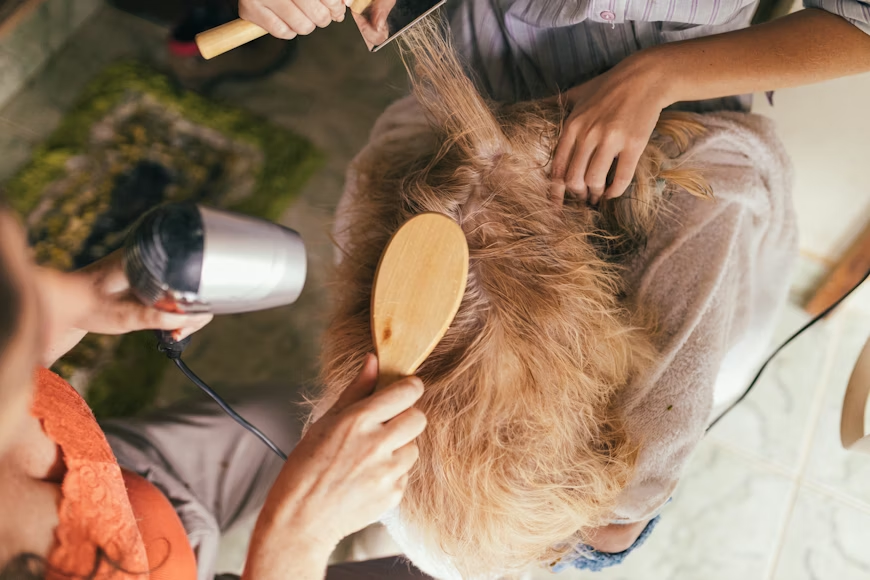
Dogs with sensitive skin often show it through their coats. Dry patches, excessive shedding, dull fur, and frequent itching are common signs that something in a dog’s routine or environment is not working in their favor. For owners, managing coat health can feel challenging, especially when sensitivity limits the products or methods that can be used safely. Improving coat condition for sensitive dogs requires a thoughtful approach that combines daily care, informed choices, and consistency. When these elements work together, coat health can improve noticeably while supporting overall comfort and well being.
Understanding Sensitivity and Its Impact on Coat Condition
Sensitive dogs tend to have weaker skin barriers, making them more vulnerable to irritation, moisture loss, and environmental exposure. This sensitivity often leads to inflammation that disrupts natural oil production, which is essential for a healthy coat. When the skin cannot maintain balance, fur becomes brittle and prone to breakage while shedding increases. Sensitivity may be triggered by allergens, grooming products, poor nutrition, or underlying health conditions. Identifying and minimizing these stressors is an important first step toward improving coat quality. With the right care strategy, even dogs with chronic sensitivity can achieve stronger, healthier coats over time.
Gentle Grooming Practices That Protect the Skin
Grooming plays a major role in coat health, but sensitive dogs require techniques that avoid unnecessary agitation. Brushing should be performed using tools designed for delicate skin, applying light pressure to remove loose fur without scratching. Bathing should be done only when necessary, using mild formulas that avoid harsh detergents and artificial fragrances. Water temperature also matters, as excessively hot water can dry the skin further. Many owners choose professional services like dog grooming in Huntersville, NC because trained groomers understand how to adjust techniques and product selection for sensitive skin types. Proper grooming supports circulation, distributes natural oils, and reduces buildup that can aggravate irritation.
Nutrition as the Foundation of a Healthy Coat
Diet is often overlooked when addressing coat health, yet it is one of the most influential factors. Sensitive dogs may require specialized diets that limit common allergens while providing the nutrients needed for skin repair. Proteins should be high quality and easily digestible to reduce inflammatory responses. Essential fatty acids play an especially important role, as they help strengthen the skin barrier and maintain moisture levels. Vitamins and minerals further support hair growth and resilience. Hydration is also critical, as dehydration can quickly lead to dry, flaky skin. Working with a veterinarian to fine tune nutrition ensures that coat health improvements come from within.
Managing Environmental Triggers That Affect the Coat
A dog’s environment can either support or undermine coat health. Dust, pollen, cleaning chemicals, and extreme temperatures can all irritate sensitive skin. Regular cleaning of bedding and toys reduces contact with allergens that may collect in fabrics. Maintaining consistent indoor humidity helps prevent skin dryness during colder months or in air conditioned environments. Outdoor exposure should be monitored, especially during peak allergy seasons when pollen levels are high. After walks, gently wiping paws and coats helps remove irritants before they have a chance to cause discomfort. Small adjustments to a dog’s surroundings can yield significant improvements in coat condition.
Building Consistent Care Routines for Lasting Results
Consistency is essential when caring for a sensitive dog’s coat. Sporadic grooming or frequent changes in products can prevent the skin from adjusting and healing properly. Establishing routines for brushing, bathing, diet, and environmental management creates stability that sensitive skin responds well to. During seasonal shedding periods, increased brushing may be necessary, but changes should still be gradual. Observing how a dog’s coat responds to routine care allows owners to make informed adjustments before problems escalate. Long term consistency helps maintain a balanced skin environment that promotes steady coat improvement rather than short lived fixes.
Conclusion
Improving coat health for sensitive dogs requires patience, attention, and a willingness to address care from multiple angles. Gentle grooming, proper nutrition, controlled environments, and consistent routines all contribute to healthier skin and stronger fur. While sensitive dogs may need extra care, the results often include reduced discomfort, improved appearance, and greater overall quality of life. With a thoughtful approach, pet owners can help their dogs maintain healthy coats while respecting the unique needs that come with sensitivity.
